

Record EV sales highlight rising pressure on UK infrastructure
6th October 2026
The latest SMMT new car registration data shows that the UK new car market increased 12% to 350,536 registrations year-on-year in September, the tenth consecutive month of growth and the strongest September since 2017.
In the year to date, battery electric vehicle (BEV) registrations now account for 26.2% of the overall new car market, showing signs of progress but still below last year’s mandate target of 28% and this year’s target of 33%.
Sophie Linnell, Infrastructure and Energy Director at Walker Morris, said: “September’s registration figures represent a significant milestone for the UK’s electric vehicle transition. With almost 100,000 battery electric vehicles registered last month, equivalent to nearly five new EVs every minute, demand is clearly moving in the right direction. Record BEV volumes and the strongest September market performance in almost a decade demonstrate growing consumer confidence, supported by a wider choice of vehicles, manufacturer incentives and government support.”
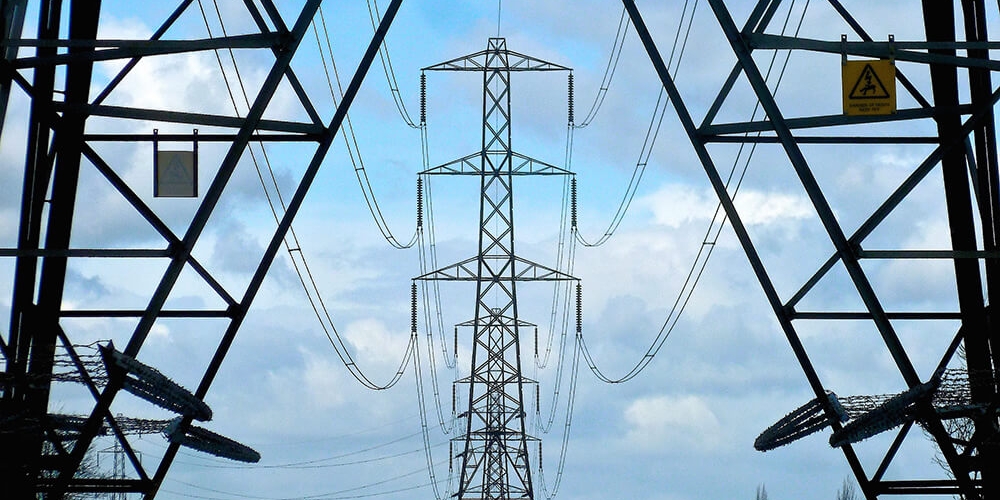
“However, while demand is accelerating, the challenge now lies in ensuring that supporting infrastructure can keep pace. Registrations may be rising sharply, but many businesses, fleet operators and charging providers continue to face delays securing grid connections and expanding charging networks. The success of the EV transition increasingly depends not only on vehicle uptake, but on the UK’s ability to deliver the energy infrastructure needed to support it.”
She added: “The market is also entering a period of potential uncertainty. Reports that the UK could follow other jurisdictions in introducing tariffs on Chinese electric vehicles may have implications for vehicle pricing, competition and investment decisions across the sector. While the long-term impact remains to be seen, any measures that affect affordability or consumer choice will only increase the importance of delivering reliable, accessible charging infrastructure that gives drivers confidence to make the switch.”
“As electric vehicles move further into the mainstream, attention must shift towards faster grid connections, greater network capacity and a more coordinated approach between transport, energy and infrastructure planning. Without this, there is a risk that infrastructure delivery becomes the limiting factor in achieving the UK’s longer-term decarbonisation ambitions.”