

Construction PMI: Infrastructure projects drive growth as housebuilding takes a back seat
6th October 2026
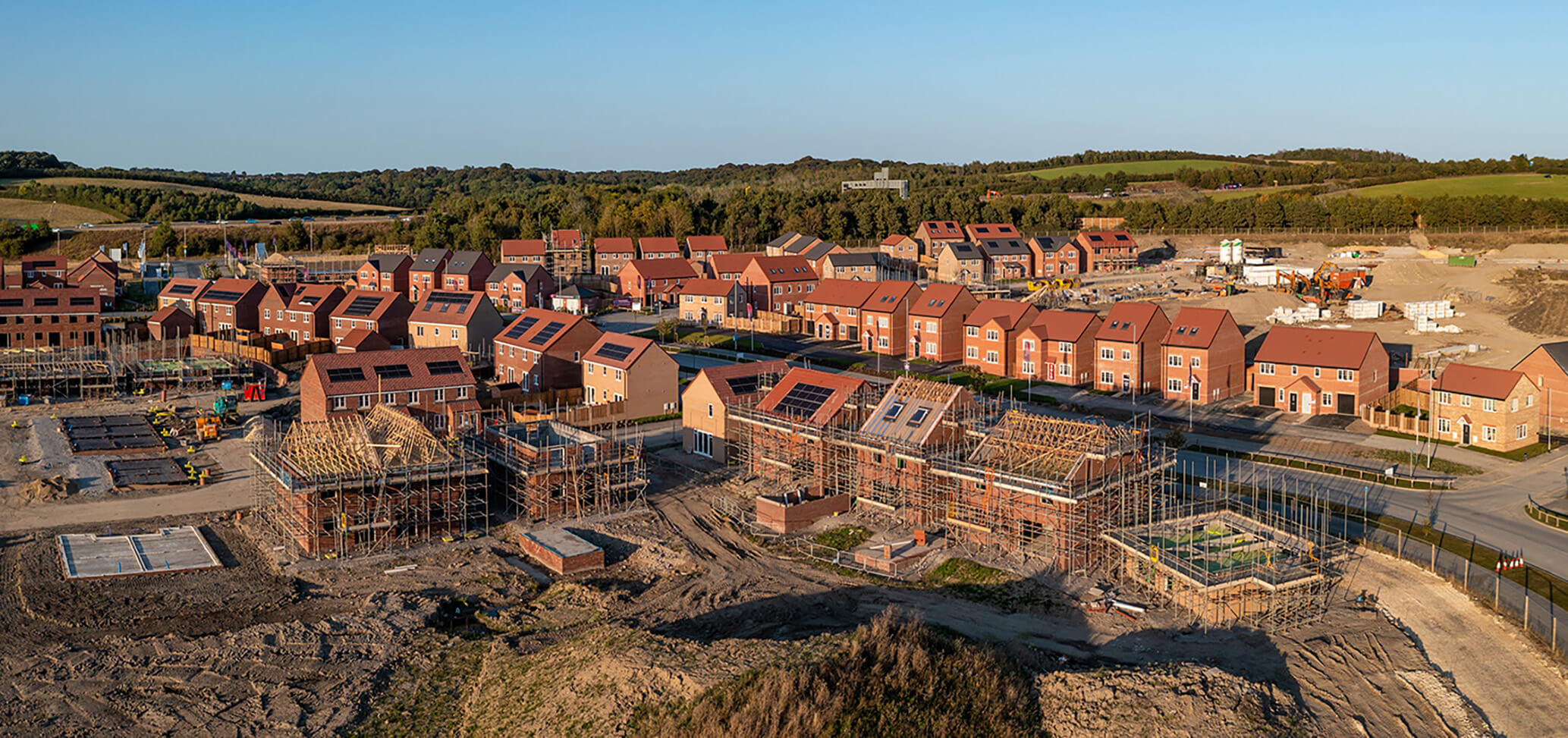
The headline construction PMI rose slightly in September to 46.1, up from 44.3 in August. The latest figures also reflect the continued slowdown in housing activity, which remained the weakest performing subsector at 40.7 in September.
While the construction sector has contracted for 21 consecutive months, commercial and civil engineering activity both saw slower rates of contraction, reflecting stronger conditions outside the residential market.
Carly Thorpe, Construction & Engineering Partner at Walker Morris, said: “The modest improvement in September’s PMI reflects a combination of stronger civil engineering activity and favourable operating conditions, with a drier-than-average September likely helping to maintain productivity on site. The figures also reinforce the ongoing shift in market activity away from residential development and towards infrastructure-led sectors, including transport, energy and data centres, where investment and project pipelines remain stronger.
“Greater devolved powers and long-term funding commitments are helping to accelerate transport and infrastructure investment, particularly across the North of England, where major projects are moving from planning into delivery, giving businesses greater confidence in future workloads. Demand for data centres also continues to grow as businesses invest in digital infrastructure and AI capabilities. While these projects can be controversial and often raise concerns around energy use and local impact, they are becoming an increasingly important part of the UK’s future development pipeline.”
“This is no longer just a temporary slowdown in housebuilding. While infrastructure, energy, transport and data centre projects continue to benefit from strong pipelines and investment, residential development is moving in the opposite direction. Businesses with mixed portfolios are directing resources towards sectors offering more certainty and longer-term opportunities.”
She added: “As such, housebuilding will continue to take a back seat. Affordability pressures, subdued buyer demand, planning delays, the Building Safety Levy and wider regulatory requirements are all making it harder for developers to bring forward new schemes. Even with new measures designed to stimulate demand and support home ownership, there will inevitably be a lag before that translates into additional housing supply. Many developers have already scaled back future projects, meaning the reintroduction of Help to Buy is unlikely to have an immediate impact on delivery. Infrastructure-led projects are therefore likely to remain the primary drivers of construction activity for some time.”