

Construction insolvencies: Construction firms pivot towards infrastructure projects amid planning delays
21st September 2026
In August 2026, data from The Insolvency Service showed that the number of registered company insolvencies in England and Wales was 1,946, similar to July 2026 (1,934), but 3% lower than in August 2025 (2,007).
The construction industry experienced the highest number of insolvencies in the 12 months to July 2026 at 3,866, making up 17% of all industry cases.
Alastair Robertson, Construction & Engineering Partner at Walker Morris, said: “Construction continues to account for the largest share of industry insolvencies, with the latest figures highlighting an increasingly two-speed market. While major infrastructure and energy projects are generating opportunities, housebuilding and some commercial developments are facing slower project starts, funding constraints and financial pressures. The recent uptick in inflation is also squeezing margins and increasing costs.
“Cashflow remains a key barrier for many construction businesses. We’re hearing from developers that the challenge is often delay rather than demand. While capital is available, higher borrowing costs are making investors and lenders more cautious about committing funding. Additionally, planning and approval processes continue to take longer, with local government reform and evolving regional decision-making structures adding further complexity.
“Material availability has improved, but supply chains remain cautious and pricing certainty is a challenge for long-term projects. Many businesses are therefore becoming more selective about the projects they pursue and the risks they take on. Insolvencies are often occurring despite healthy order books, with cashflow and profitability proving greater challenges than securing work.”
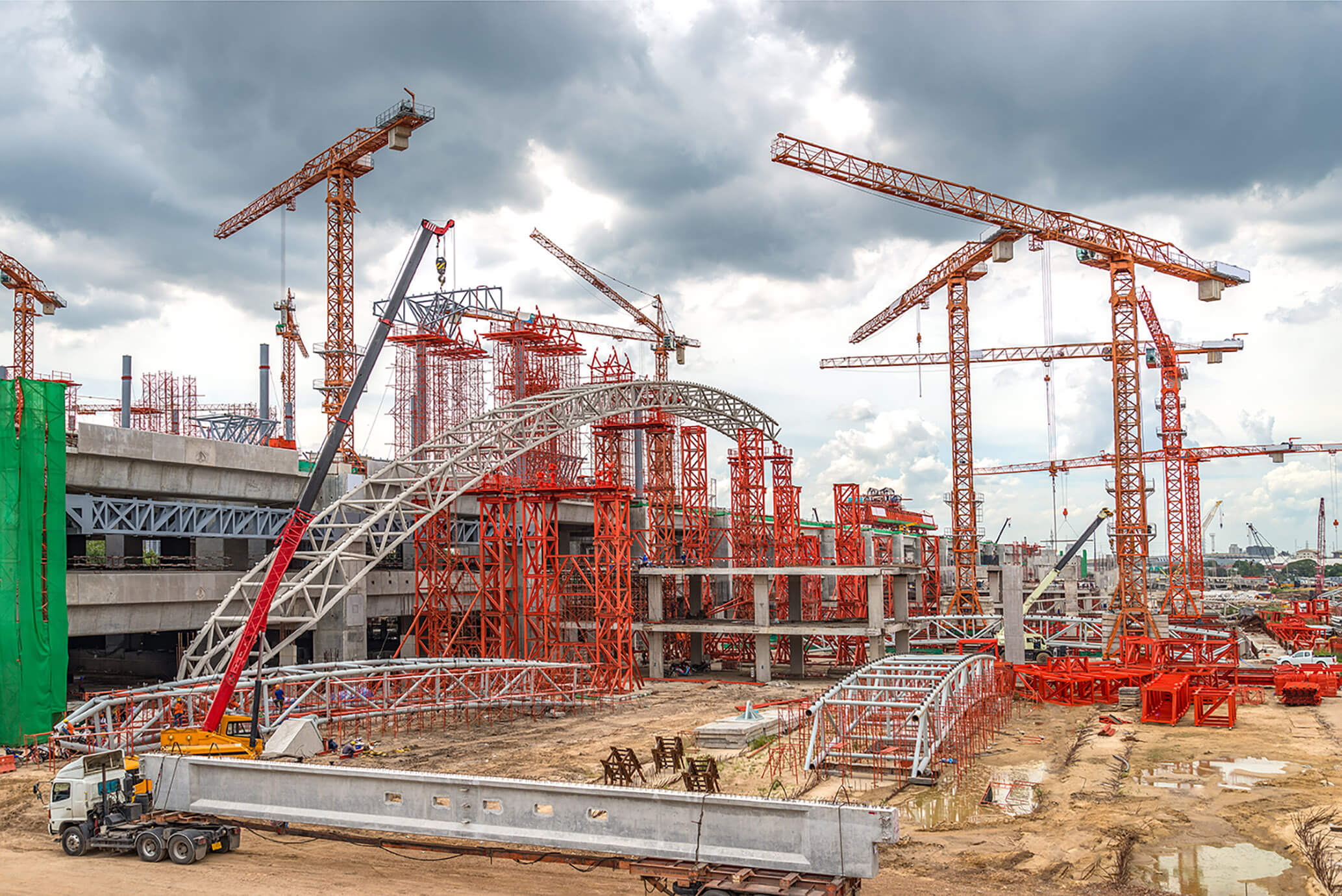
He added: “We’re also seeing a shift in workload across the sector, with some contractors moving away from traditional housebuilding and towards infrastructure, energy, industrial and logistics projects. Planning delays, funding constraints and a more complex regulatory environment for residential development are all driving that trend.
“That said, there are reasons for optimism. Strong public investment in infrastructure, energy and civils projects continues to support long-term demand and may provide new opportunities for businesses looking to diversify and strengthen their pipelines.”