

SMMT new registrations: EV transition needs step change in grid capacity to meet UK targets
4th June 2026
The latest SMMT new car registration data shows that the UK new car market increased 7.1%, to 160,662 registrations in May, the best for the month since 2019.
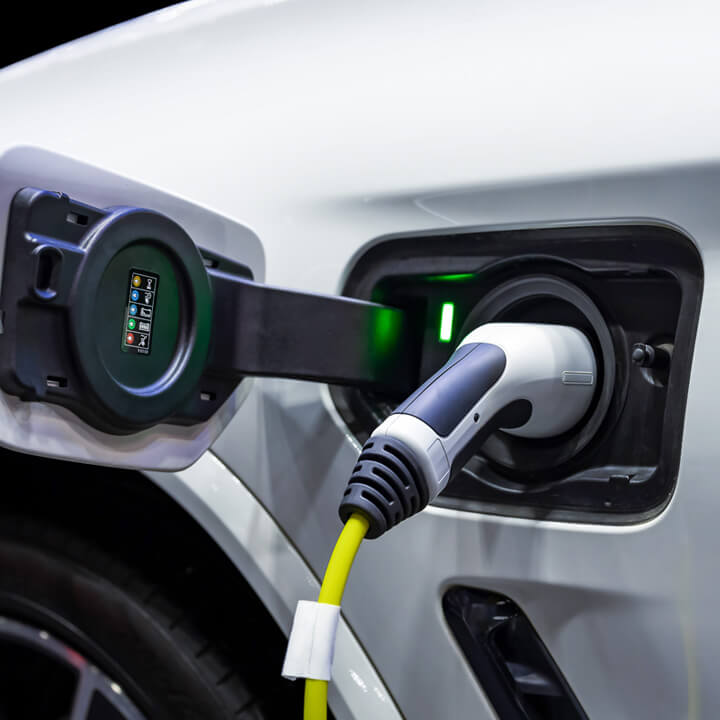
However, in the year to May 2026, battery electric vehicle (BEV) registrations made up 27.3% of the overall new car market, which still remains well below the UK’s Zero Emission Vehicle (ZEV) mandate target of 33%.
Sophie Linnell, Infrastructure and Energy Director at Walker Morris, said: “The latest data suggests that demand for electric vehicles (EVs) is holding steady. However, the underlying trend remains unchanged, with uptake still falling short of the ZEV mandate requirements. As recent reporting has highlighted, the transition to EVs is increasingly being shaped by the pace at which the UK can deliver the infrastructure to support it. While UK projects continue to deploy new charging networks and energy infrastructure, developers face longer timelines and uncertainty over delivery due to grid connection delays. Roadchef CEO Tim Gittins also recently stated that grid availability is currently the biggest barrier to delivering high-powered EV charging infrastructure, particularly in rural and remote areas.
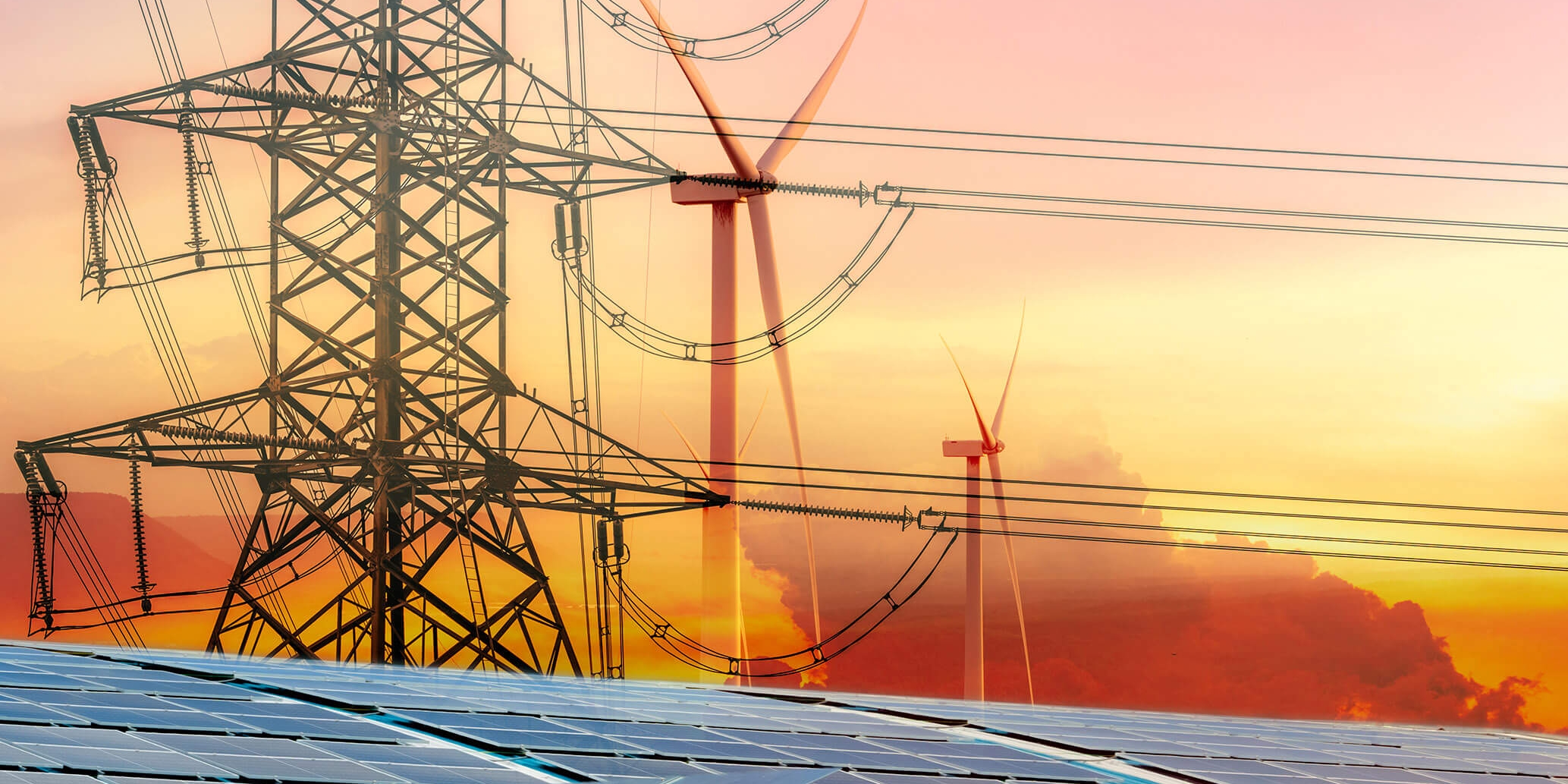
“These bottlenecks are not limited to EV charging and reflect a wider backlog across the energy sector which may worsen as demand rises. At the same time, public and investor backing for faster infrastructure rollout is growing, particularly where it supports growth and energy security. Closing that gap will therefore require faster planning approvals, more coordinated investment, having the resource to build out the grid and building a grid designed to meet future demand, alongside reforms that remove the systemic delays currently holding projects back.
She added: “Recent government proposals to streamline planning and reduce legal barriers for major energy projects signal an intent to accelerate new infrastructure development, give developers greater certainty and help unlock investment. However, unless this is matched by a step change in grid capacity and faster connectivity, rather than relying on short-term measures to drive EV uptake, there is a risk that progress will remain constrained.”